 Reviews


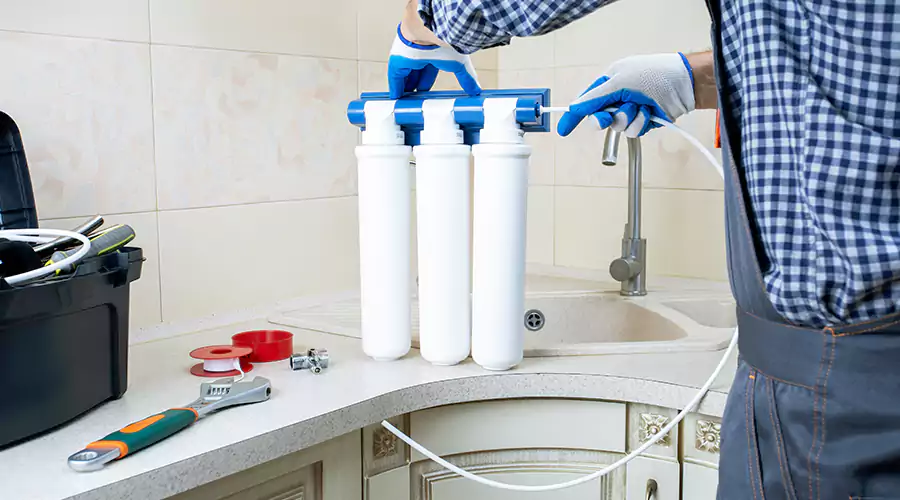
If your faucets are leaving white spots, your laundry feels stiff, or your shower water doesn’t seem as soft as before, your water softener might not be working properly. A malfunctioning softener can cause hard water to flow through your plumbing, damaging appliances and leaving behind mineral buildup.
In this guide, we’ll explain how to tell when your water softener isn’t working, the most common causes of failure, and how professionals fix them to keep your system running smoothly.
1. How a Water Softener Works
Before troubleshooting, it’s helpful to understand how your system functions. A standard water softener removes hardness minerals like calcium and magnesium through a process called ion exchange.
Here’s a quick overview:
- Hard water enters a tank filled with resin beads.
- The resin attracts and holds calcium and magnesium ions.
- During regeneration, a salt brine solution flushes the resin, replacing hardness minerals with sodium ions.
When something in this process goes wrong, your system can’t properly soften the water.
2. Signs Your Water Softener Isn’t Working
Watch for these warning signs that indicate a possible issue:
- Dry or itchy skin and dull hair after bathing
- White or chalky residue on dishes, faucets, or shower doors
- Hard water stains in sinks and toilets
- Soap that doesn’t lather easily
- Noticeable drop in water pressure
- Increased salt usage or high water bills
If you notice one or more of these, it’s time to inspect or service your softener.
3. Common Problems and Their Causes
a. Salt Bridge Formation
A salt bridge occurs when a hard crust forms in the brine tank, preventing the salt from dissolving properly. This stops the regeneration process.
Fix: Gently tap the bridge with a broom handle to break it up, then clean out any hardened salt. Refill with fresh salt and ensure the humidity around the tank is not excessive.
b. Resin Bead Deterioration
Over time, the resin beads inside the tank can wear down or become coated with iron or sediment, making them less effective at removing minerals.
Fix: Professionals can flush or replace the resin bed. Using high-quality salt and performing routine maintenance helps prevent buildup.
c. Blocked Injector or Venturi Valve
The injector or venturi valve draws brine into the resin tank during regeneration. If it becomes clogged with sediment, air, or salt buildup, your system won’t regenerate correctly.
Fix: Clean the valve and injector nozzle according to the manufacturer’s instructions. Regular inspections can prevent this issue from returning.
d. Faulty Timer or Control Head
If your system isn’t regenerating on schedule, the timer or control valve may be malfunctioning. This can cause inconsistent water softness or complete failure of the softening cycle.
Fix: Check the system’s display and settings. If it’s electronic, verify that it has power and is set to the correct regeneration cycle. If the problem persists, a plumber can test and replace the control head.
e. Low Water Pressure
Sediment buildup in pipes, clogged filters, or a malfunctioning bypass valve can restrict water flow, making it seem like the softener isn’t working.
Fix: Clean or replace pre-filters and ensure the bypass valve is in the correct position. If pressure remains low, a professional inspection is recommended to check for internal clogs or leaks.
f. Brine Tank Issues
If the brine tank is low on salt, filled with sludge, or not refilling properly, regeneration can’t occur.
Fix:
- Check that the tank has enough salt pellets.
- Clean out any residue or sediment at the bottom.
- Ensure the float valve moves freely.
Routine maintenance of the brine tank can prevent many of these issues.
4. Professional Water Softener Inspection
While minor issues can be fixed by homeowners, complex problems require professional service. A licensed plumber or water treatment specialist can:
- Test your water hardness levels
- Inspect resin condition and control valve operation
- Check for leaks, clogs, and salt buildup
- Calibrate regeneration cycles for optimal efficiency
Regular professional servicing ensures your water softener performs at peak efficiency year-round.
5. Preventive Maintenance Tips
Keep your system in top condition with these simple steps:
- Refill salt levels regularly (use high-purity salt pellets)
- Clean the brine tank once a year
- Use a resin cleaner every few months if you have iron in your water
- Schedule professional inspections annually
- Keep the area around the softener dry and free from humidity
These habits will extend the lifespan of your softener and protect your plumbing system from mineral buildup.
Conclusion
A properly functioning water softener is essential for protecting your plumbing, improving water quality, and extending the life of your appliances. When your system stops working, identifying and fixing the issue early prevents damage and costly repairs later.
If your water softener isn’t performing as it should, don’t wait — call a qualified water softener repair expert to inspect and restore your system. With professional care and routine maintenance, you’ll enjoy soft, clean water for many years to come.